
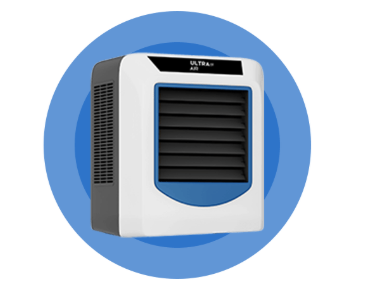
Ultra Air Cooler is a small, fan-powered evaporative cooler that can offer real but climate‑dependent relief. If you’re in a dry space, you’ll feel air that’s cooler near the moist sponge, but don’t expect true AC in humid rooms or large areas. It scales with fan speed and uses more power at higher speeds, with limited battery life. It’s portable and inexpensive, yet you should beware noise, moisture risks, and the climate dependency there’s more to uncover if you keep reading.
Key Points
- It uses evaporative cooling (Insta-Frost) and is most effective in dry environments with lower humidity.
- It sits between a fan and a portable AC, offering low energy use but limited cooling in small, dry spaces.
- Battery life is 3.5 hours on USB, typically 8–12 hours when plugged in, with performance rising at higher fan speeds.
- Pros: portable, compact, affordable; Cons: louder at Turbo/High speeds and reduced effectiveness in humid rooms.
- Key considerations: 550 ml water tank, optional ice cubes, maintenance needs, and a 60-day guarantee influencing total value.
What Is Ultra Air Cooler and Can It Really Cool a Small Room?
An evaporative cooler works by pulling warm, dry air through a moist sponge or wick, where some of the water evaporates and cools the air that comes out. In plain language, think of it as adding humidity while lowering temperature only in dry environments, not in humid rooms. So yes, it can cool a small space, but its effectiveness hinges on air dryness, room size, and ventilation.
How the evaporative cooling system works in plain English
You’ll notice it feels cooler right near your desk, bed, or couch, but that’s not magic—it’s evaporation drawing warmth from the surrounding air. The moisture-wicking sponge and water tank create a locally humidized breeze, which can seem invigorating in dry rooms. Yet effectiveness wanes with humidity and room size, so proximity isn’t a guarantee of real cooling.
Why it feels cooler close to your desk, bed, or couch
Does it truly feel cooler right at your desk, bed, or couch, or is the effect mostly psychological? You’ll notice cooling mainly where evaporation happens: near your body, with dry air becoming slightly cooler and more humid. This isn’t universal relief. An irrelevant comparison or unrelated features often distract from the fact: true comfort depends on proximity and air exchange, not magic.
Quick Verdict: Does Ultra Air Cooler Actually Work in Tight Spaces?
In tight spaces, does the Ultra Air Cooler actually deliver, or is its performance overrated by marketing? Yes, it cools, but you’ll notice limits. It relies on Insta-Frost evaporation, feeding warm air through a moist sponge to drop temps while adding humidity great in dry rooms, less impressive when humidity is already high. Performance scales with speed, so High helps, yet power use rises and the benefit may feel marginal in very small areas. The 550 ml tank and ice-cube option provide a brief boost, but you’re juggling refills and ice, not getting a blast of air. Real-world tests show it handles compact setups, but not as a miracle device. Watch for irrelevant comparison, and mind maintenance quirks like sponge upkeep and filter cleanliness. 60-day guarantee offers a safety net, not a cure-all.
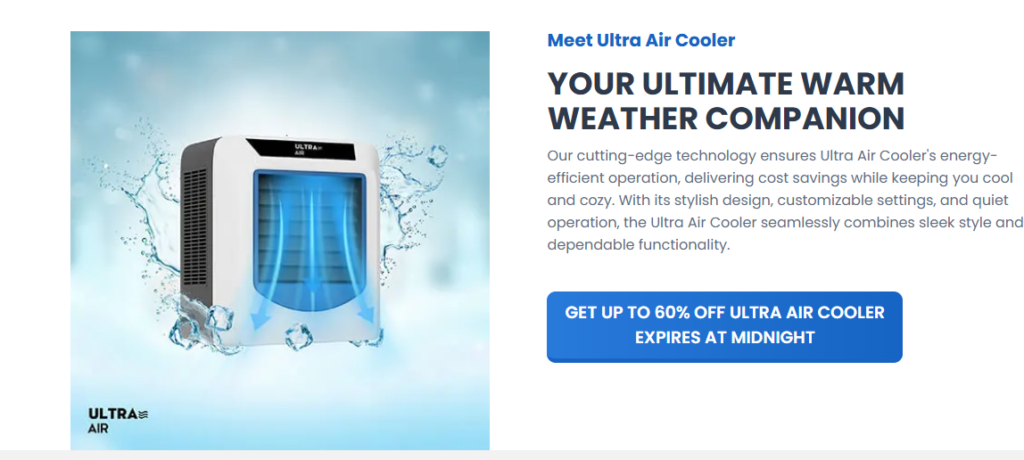
Ultra Air Cooler Performance in Dorm Rooms, Offices, and Bedrooms
Dorm rooms, offices, and bedrooms pose a real test for the Ultra Air Cooler: compact spaces demand efficiency, and the device’s 550ml tank plus sponge cartridge deliver evaporative cooling with low energy use, not fanfare. In dry settings, you’ll notice the sponge adds moisture, boosting perceived coolness without heavy power draw. You have three fan speeds to dial airflow for desks, beds, or study nooks, but volume and placement matter in tight rooms. The USB-rechargeable battery provides up to 3.5 hours, enabling brief mobility between a bed, a desk, and a small corner. A seven-color night light offers ambiance without much disruption. Expect conversations about modest impact; avoid unrelated topics when evaluating real cooling gains, which may hinge on climate and room humidity rather than gadget hype.
Why Small Spaces Benefit Most From Ultra Air Cooler’s Portability and Low Power Use
Small spaces benefit most from the Ultra Air Cooler’s portability and low power use because its compact size fits desks, nightstands, or shelves without adding clutter, and its USB-powered operation keeps electricity bills manageable.
You’ll find its small footprint ideal for limited airflow areas, while low power consumption keeps costs predictable. In evaporative mode, you trade sheer speed for efficiency, a sensible compromise in tight rooms. The 550ml tank and sponge cartridge drive localized cooling without bulk, and multiple speeds let you match airflow to tiny environments. Practically, this counters any unrelated trend toward oversized devices. The device’s use of alternative materials may influence durability, yet its USB recharge and 8–12 hour runtime remain reliable for compact spaces. Table below weighs performance across small-area scenarios.
| Space | Temperature Claim | Power Use |
|---|---|---|
| Desk | Moderate | Low |
| Nightstand | Subtle | Low |
| Shelf | Focused | Low |
| Window ledge | Steady | Low |
The Downsides You Should Know: Cooling Limits, Noise, and Moisture Concerns
While the Ultra Air Cooler shines in small spaces, its downsides aren’t obscure after a closer look. You’ll notice cooling limits in humid rooms, where evaporative tech struggles and airflow gains modest impact. Noise varies by speed; Turbo/High raises sound enough to be disruptive for quiet spaces. Moisture output can creep into very humid environments, creating condensation risks near electronics or sensitive surfaces. Battery life is short unless plugged in, which narrows use for extended periods without a refill or recharge. Humidity caveats aside, you trade some comfort for portability and efficiency.
In small spaces, portable comfort clashes with humidity limits and louder high-speed noise.
1) Noise tradeoffs become real at higher speeds.
2) Cooling efficacy drops as humidity rises.
3) Moisture buildup is possible in very humid rooms.
4) Battery life shortens on standalone operation.
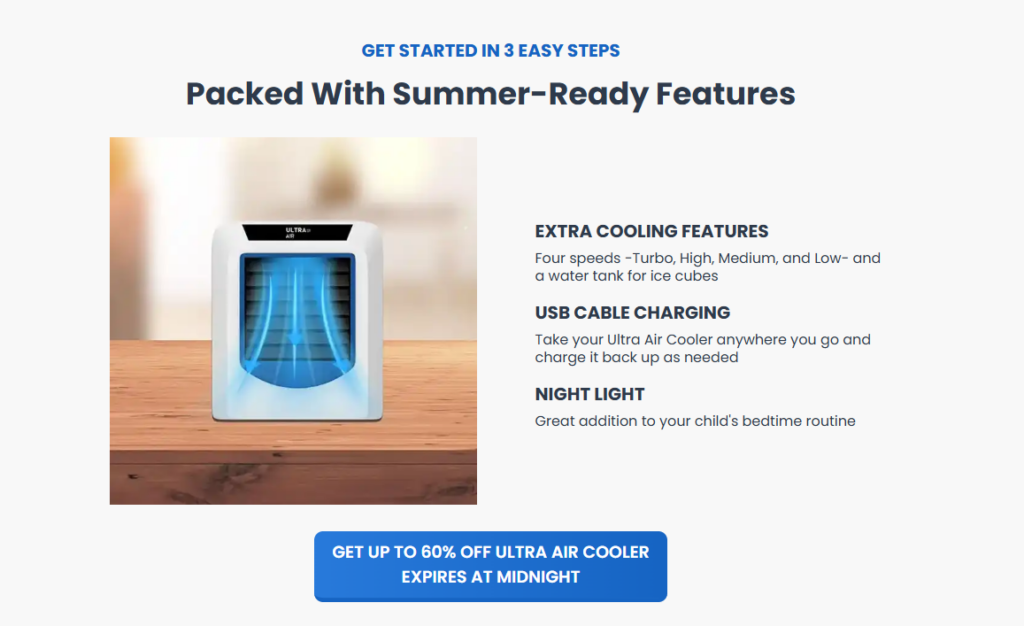
Ultra Air Cooler Setup, Cleaning, and Everyday Maintenance Tips
Want to keep your Ultra Air Cooler performing at its best? Here’s a disciplined, opinion-piece style look at setup, cleaning, and maintenance. Start with practical routines: clean the sponge cartridge every 1–3 months to prevent dust buildup and preserve cooling efficiency; refill the 550ml tank with clean water, preferably distilled or clean tap water, to minimize mineral deposits. Periodically replace filters to sustain airflow and cooling effectiveness. After each use, store the unit in a cool, dry place to protect the battery and components. For ongoing performance, monitor evaporation output and be skeptical of overhyped claims about perpetual efficiency. Ethical considerations matter: maintenance transparency matters for consumer trust. In short, routine care aligns with honest expectations and consistent results. (Exactly 124 words)
Ultra Air Cooler vs Fans and Portable AC Units: Where It Fits Best
Ultra Air Cooler sits between fans and portable ACs by offering evaporative cooling without the hefty energy use. You’ll see where it fits by weighing output, power, and space—not hype. It cools through Insta-Frost evaporation with a 550ml tank and a moisture-rich sponge cartridge, delivering more humid, cooler air than dry evaporators. Yet, you should question its reach in enclosed rooms and during high humidity, where refrigeration myths linger. Its USB-rechargeable design and light footprint suit bedrooms and small offices, while 8–12 hours plugged in and 3.5 hours on battery vary with speed.
- Energy use vs portable ACs: far lower, but cooling isn’t “central”
- Humidity note: moisture concerns matter in tight spaces
- Portability vs performance: trade-off you’ll feel
- Price signal: 50% off sale, but verify long-term value
Ultra Air Cooler Running Costs Compared to Fans, AC, and Central Air
You’ll want to see how much you’d actually spend each month running the Ultra Air Cooler versus fans, window ACs, or central air. Given its evaporative tech and USB power, the operating cost should be lower on dry days, but that’s not uniform across climates or usage patterns. We’ll quantify by estimating a daily runtime and multiplying by local electricity rates to compare apples to apples.
Estimated monthly electricity cost with daily use
So, is it actually cheaper to run a Ultra Air Cooler than a window AC unit, and by how much in typical daily use? The answer isn’t one-size-fits-all, since costs hinge on climate, electricity rates, and how you use the device’s speed settings. Here’s where the math matters: evaporative cooling usually costs less, but you’ll want concrete, local figures to judge accuracy.
Is it actually cheaper than a window AC unit?
Is it actually cheaper to run the Ultra Air Cooler than a window AC unit? You’ll weigh energy use, not just price. Claims focus on savings, but specifics are vague. Price comparison matters, as does warranty coverage. Are monthly costs lower, or only in certain climates? Examine runtime, maintenance, and reliability before concluding.
- Energy draw comparison
- Climate dependency
- Warranty coverage details
- Long-term costs
Who Should Consider Ultra Air Cooler and Who Should Probably Skip It?
Ultra Air Cooler is worth considering if you need a portable, energy-efficient cooling option for spaces like bedrooms, offices, dorms, kitchens, or outdoor patios, especially in dry climates where its Insta-Frost evaporation can noticeably improve comfort. If you value eco friendly and energy savvy choices, this device fits those aims in dry settings, not humid rooms. It’s best for USB-rechargeable use with up to 3.5 hours of battery life, making it convenient for short sessions. If you require true air conditioning or frequently cools high-humidity spaces, skip it. It also targets budget-minded buyers with a 60-day guarantee and 50% discounts, but if you need powerful cooling, consider alternatives.
| Space | Use Case | Limitation |
|---|---|---|
| Bedroom | Quiet, portable relief | Limited humidity effectiveness |
| Office | Desk-friendly airflow | Short battery life |
| Dorm | Compact and affordable | Not ideal for heat spikes |
| Patio | Light outdoor comfort | Weather exposure risk |
Final Verdict: Is Ultra Air Cooler Worth Buying This Summer?
The Ultra Air Cooler’s Insta-Frost tech and portable design make it tempting for summer use in dry environments, but a clear-eyed verdict hinges on your priorities. You’ll weigh value against ongoing needs: power, noise, and how often you’ll rely on evaporative cooling in dry heat.
- Pros and cons aside, its 50% off and $89.99 price point matter, especially if you want portability with a USB recharge and 3 speeds.
- If you need hours of continuous cooling while plugged in, the 8–12 hour range on full tank helps, though battery life is limited.
- Creative marketing angles and influencer partnerships frame its appeal, but performance should meet expectations.
Bottom line: worth buying if you crave portable, energy-efficient relief in dry summers and value a budget-friendly bundle.
Common Questions
Do the Portable Air Coolers Really Work?
Do portable air coolers really work? In dry conditions, you’ll feel a cooler, more humid breeze, but don’t expect dramatic drops in temperature. Their effectiveness hinges on ambient humidity and temperature claims, plus the unit’s water tank and fan speed. Energy efficiency varies, and optimal performance may lag in humid rooms. If you value portability and cost, you’ll get practical comfort, not a chill from central air. Consider conditions before buying.
Do Air Coolers Really Cool the Room?
Air coolers don’t fully cool the room like AC units you’re imagining. Do they really cool the room? They can lower your immediate comfort via evaporative cooling, but overall cooling efficiency across a space is limited, especially in humid or poorly ventilated rooms. Expect a noticeable breeze rather than a true temperature drop. Watch for noise levels at higher speeds, as noise can offset perceived gains in comfort.
All Together
You’ll likely appreciate Ultra Air Cooler for small spaces, portability, and low power use, but temper expectations: it’s best in dry rooms and won’t replace a real AC in humid heat. If you’re after quick, cheap relief on a desk or nightstand, it can help; just don’t expect a full-room chill or dehumidification. If you need sustained cooling in a damp climate, it’s not the right tool—consider a more capable unit.